
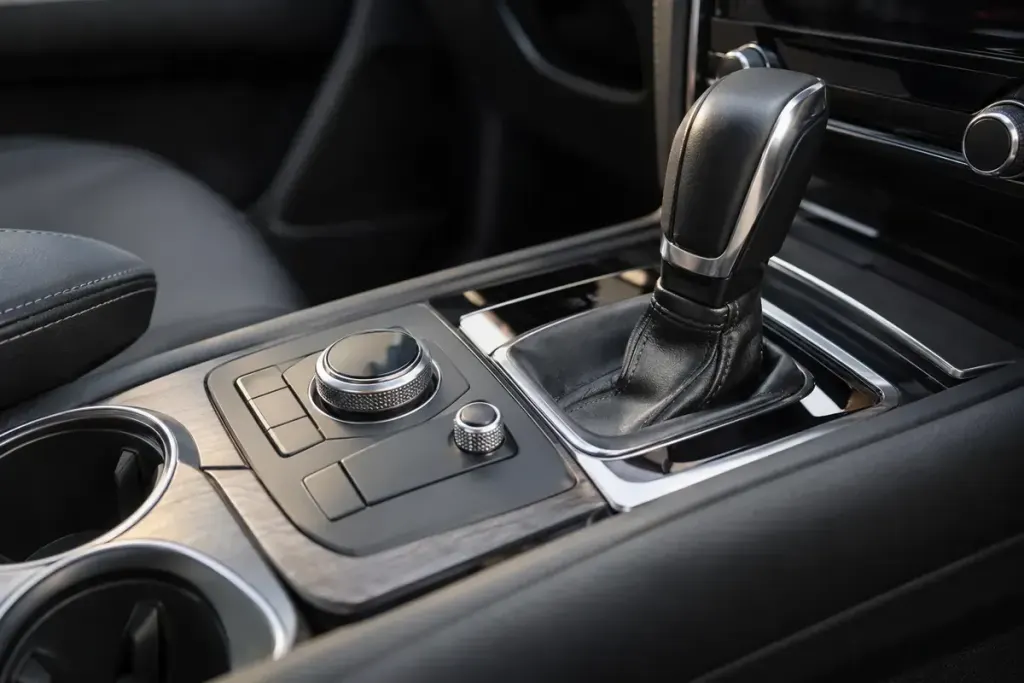
Auto Hold can keep a stopped car stationary without continuous pressure on the brake pedal. That convenience at a junction should not become a reason to skip the vehicle’s parking procedure when leaving the driver’s seat.
The feature’s conditions and behaviour depend on the model. Some systems can transfer holding duty to the parking brake under particular circumstances. For example, Volvo’s XC90 guidance describes automatic parking-brake activation after Auto Hold has been active for a longer period. That example is not an operating instruction for every car.
Read the indicators before trusting the function
Find the Auto Hold section in your own manual. Identify how the car shows that the feature is available, active or unavailable. A button being selected may not mean the vehicle is currently being held.
Check which conditions affect activation, such as the driver’s door, seat belt or driving mode. Learn how the function releases during normal driving. Do not discover these details by experimenting in traffic or on a steep slope.
Keep parking as a separate routine
When finishing a journey, follow the manufacturer’s sequence for stopping, selecting the appropriate transmission position and applying the parking brake. Confirm the relevant indicator before leaving. Do not rely on a general article to decide that an automatic feature has completed every required step.
- Use the correct manual for the model year.
- Ask a dealer or qualified instructor about unclear controls.
- Investigate warning messages rather than repeatedly overriding them.
- Remember that assistance features do not remove the driver’s responsibility to secure the vehicle.
If Auto Hold behaves differently after servicing or a software change, review the settings and documentation before assuming it is faulty. If braking is unreliable or a warning indicates a safety problem, stop using the vehicle as advised by the manufacturer and obtain professional help.