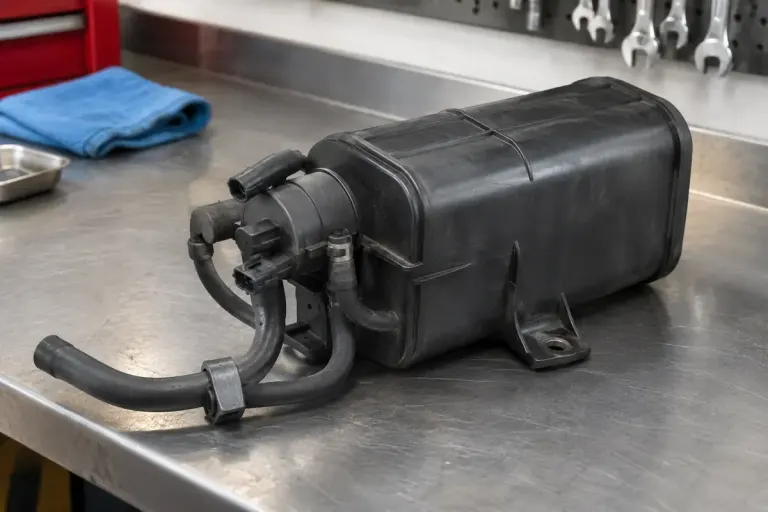
Vehicle Knowledge
The charcoal canister stores fuel vapour before the engine burns it
A vehicle’s EVAP canister temporarily holds fuel vapour. Understand its role without confusing it with a liquid-fuel filter or diagnosing from one warning light.

The details behind a better car decision.
A vehicle’s EVAP canister temporarily holds fuel vapour. Understand its role without confusing it with a liquid-fuel filter or diagnosing from one warning light.
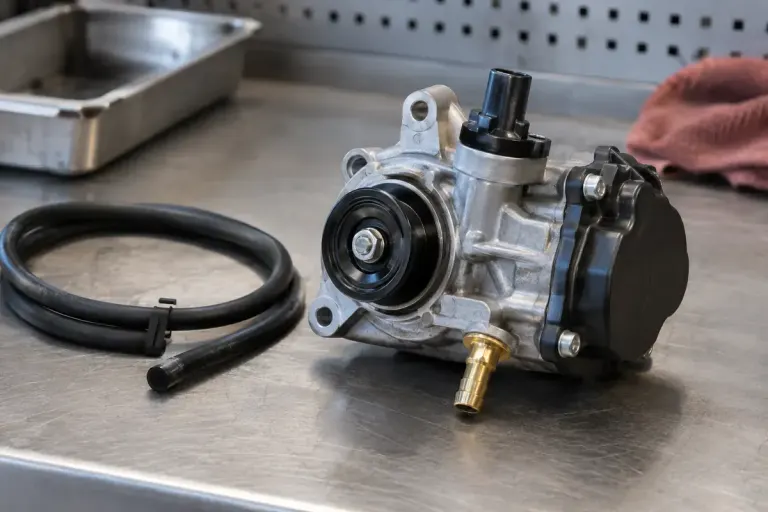
A brake vacuum pump helps provide assistance where engine vacuum is insufficient. Understand its role and why changes in brake feel need professional attention.

Desmodromic valve gear controls opening and closing mechanically. Learn the basic distinction and why the term does not describe every aspect of an engine.
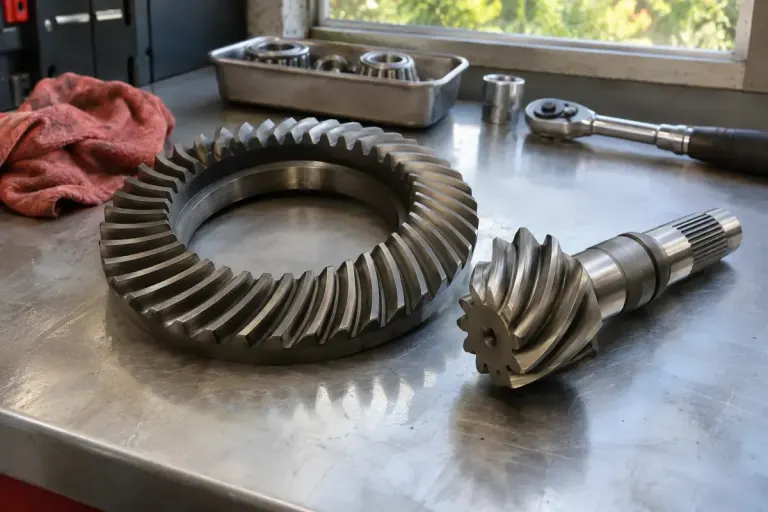
Hypoid gears allow an offset between final-drive shafts. Learn what that means in a vehicle and why lubricant choice remains model-specific.
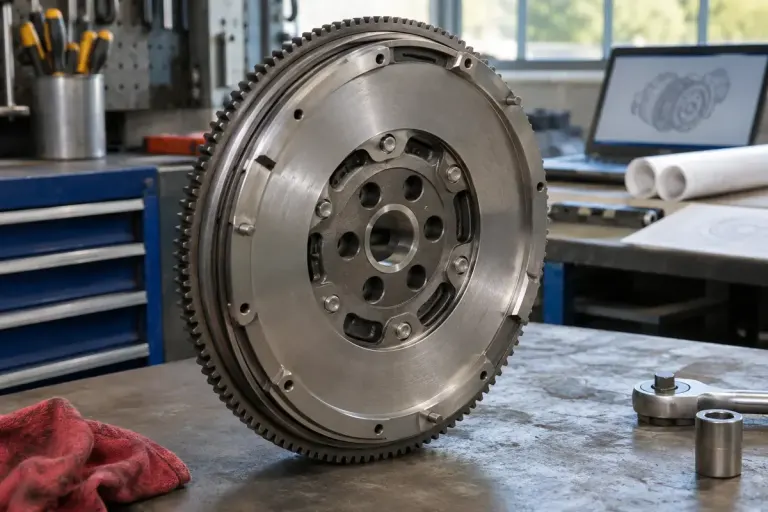
Learn what a dual-mass flywheel does with engine vibration and why a rattle alone is not enough to diagnose a failed unit.
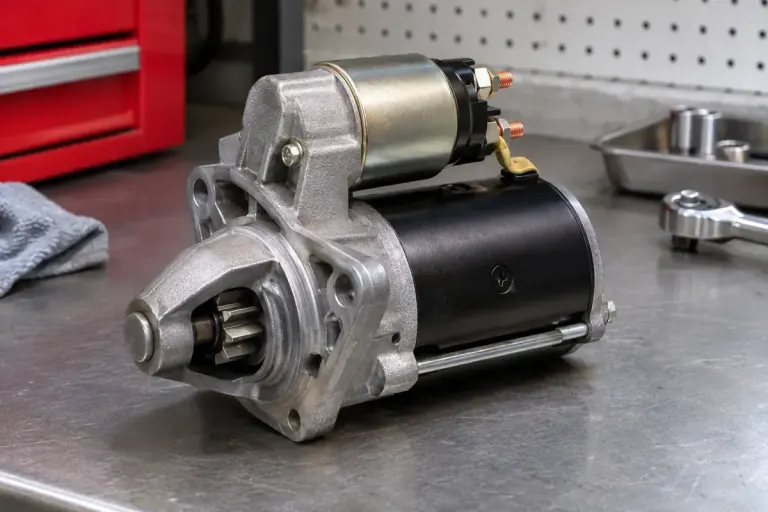
The starter solenoid helps engage the starter and switch a large current. A click alone does not identify the failed component.
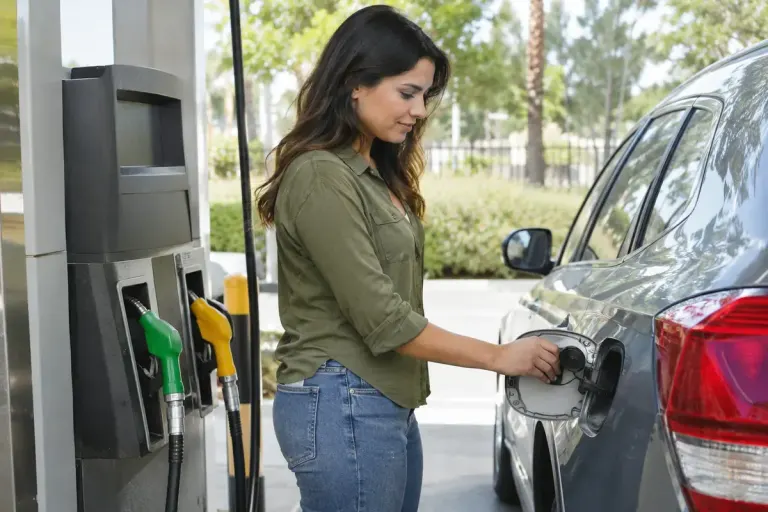
E85 is intended for approved flex-fuel vehicles. Check the exact vehicle’s fuel guidance and understand why the label does not always mean 85 percent ethanol.
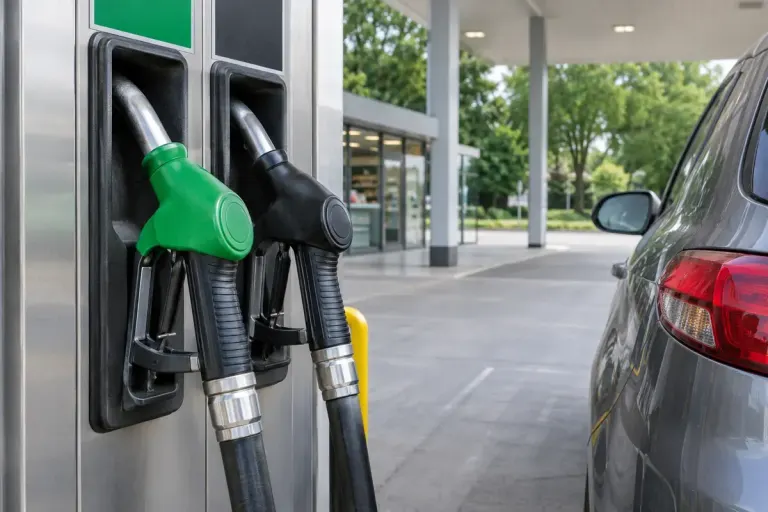
Octane and cetane describe different ignition properties in petrol and diesel. Learn why their numbers cannot be compared as one fuel-quality scale.
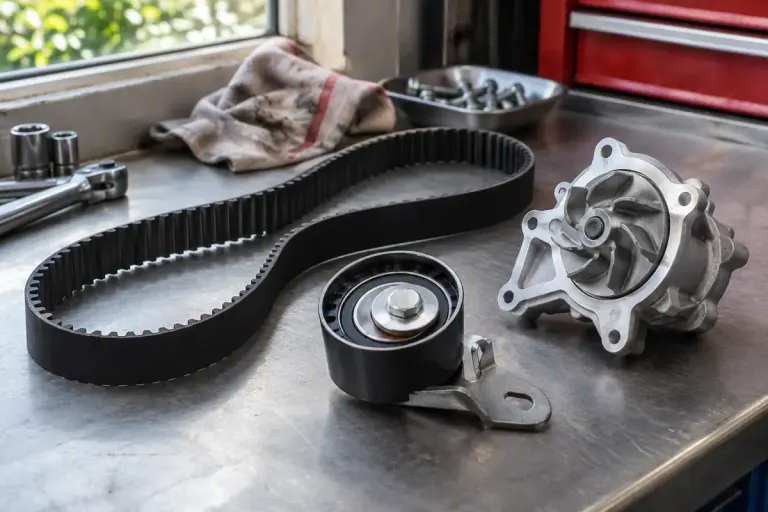
Compare timing-belt quotations by their included components and vehicle-specific requirements, including whether the water pump is driven by the belt.