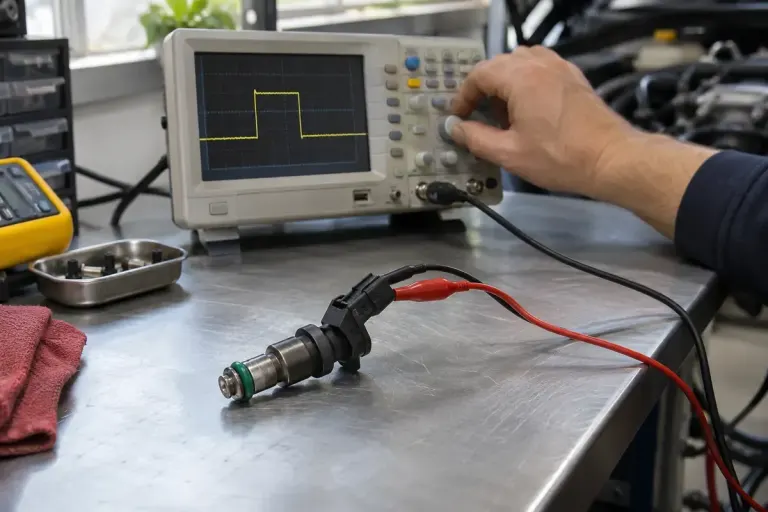
Understanding your car
Injector Pulse Width Describes Time, Not a Fixed Fuel Volume
Injector pulse width measures commanded opening time. Understand why pressure, injector characteristics and operating conditions also affect fuel delivery.

The details behind a better car decision.
Injector pulse width measures commanded opening time. Understand why pressure, injector characteristics and operating conditions also affect fuel delivery.
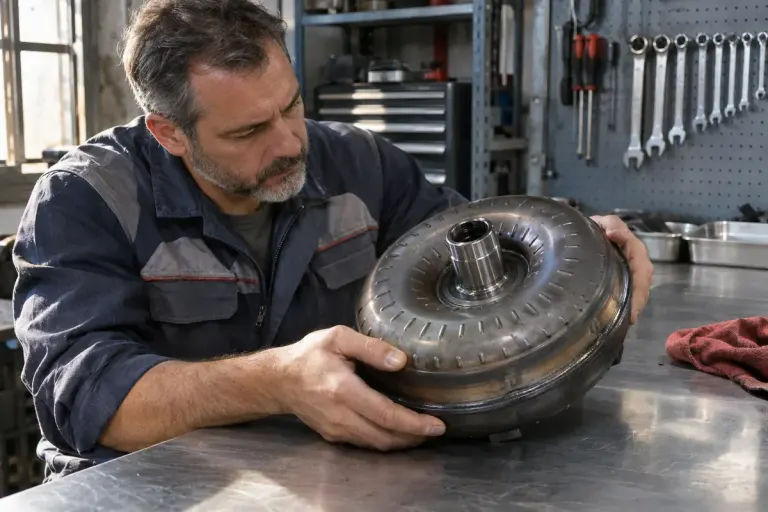
Understand torque-converter stall speed as a condition-dependent specification, and avoid confusing it with a gear-change point or a routine driving target.

A knock sensor monitors engine vibration for the control unit. A fault code or a noise still needs diagnosis, not a blind parts swap.

A diesel’s coil-shaped warning light may indicate preheating or an engine-management fault. Check the model’s instructions before replacing glow plugs.
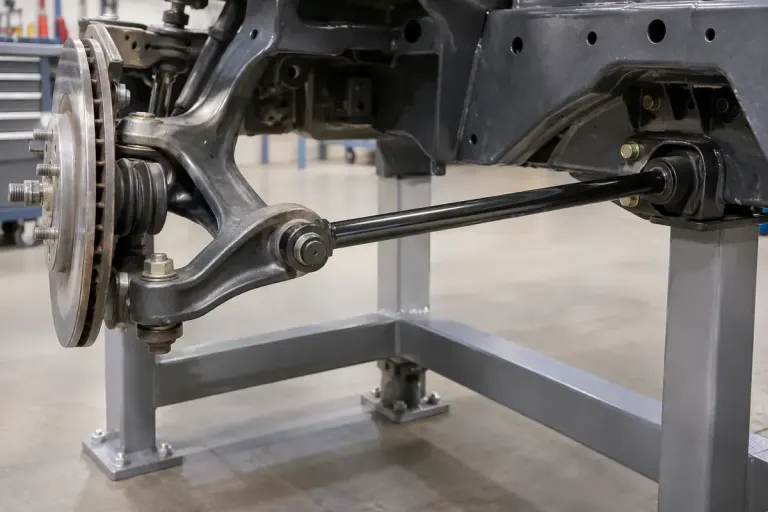
A torsion bar is a spring that resists twisting. Follow its connection to the suspension arm and distinguish its role from the damper beside it.
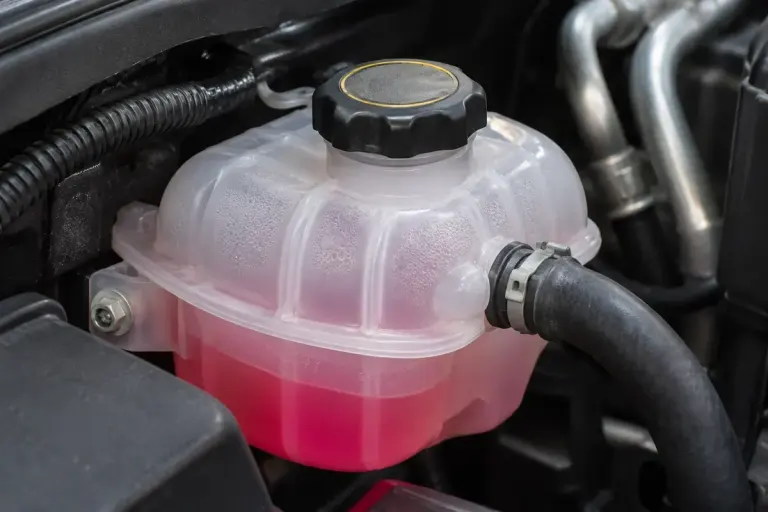
The coolant reservoir may be part of a pressurised system. Understand its cap, level marks and the questions to ask when coolant keeps disappearing.
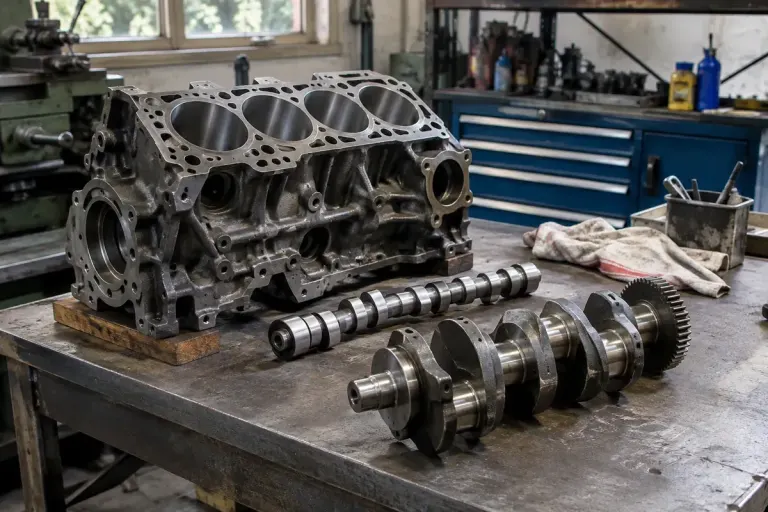
Balance shafts use timed rotating masses to reduce particular engine vibrations. Learn how that differs from engine mounts and why a vibration still needs diagnosis.

Crankcase ventilation manages gases and oil mist inside an engine. Understand the PCV system’s role and what information helps a workshop investigate a fault.

Learn why low-speed creep varies between automatic cars, and check the vehicle’s controls before assuming it will stay still when the brake is released.